
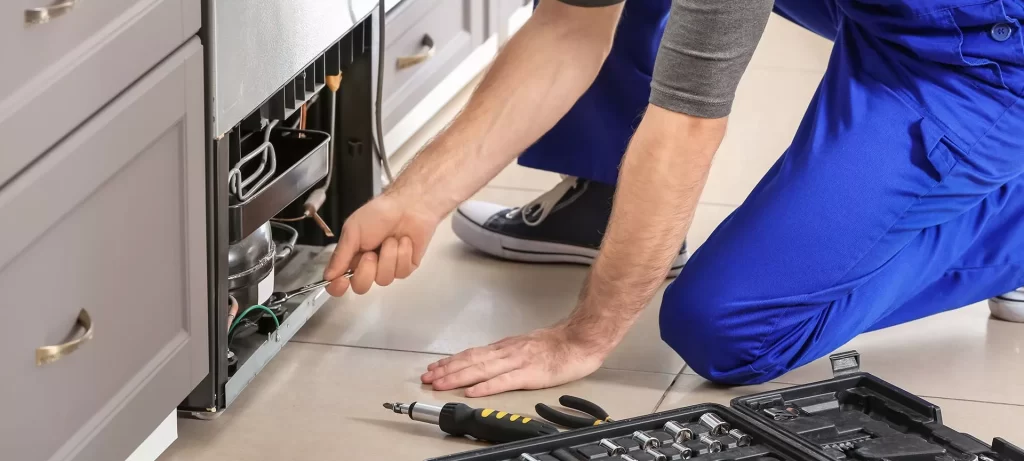
For many, the prospect of repairing their home appliances can seem daunting. Whether it’s because you don’t know how to get started or are nervous about messing up, there are plenty of reasons why people might be hesitant to get up in their attic and start tinkering with a fuse box. If you’re the proud owner of an appliance that’s seems broken and you have no clue what to do, click on over and see if this article might be able to help you out!
Why It’s Necessary to Repair Your Appliance
If you have a broken appliance, it is important to repair it as soon as possible. Here are some reasons why it is necessary to repair your appliance:
1. To prevent further damage: If you ignore a broken appliance, it will likely cause further damage to your home. For example, a broken refrigerator can leak water and cause mold growth.
2. To save money: Appliance repairs are usually cheaper than buying new appliances.
3. To avoid health hazards: Some appliances, such as gas stoves, can be dangerous if they are not working properly. Repairing them can avoid health hazards for you and your family.
4. To extend the life of your appliances: Regular maintenance and repairs can extend the life of your appliances. This means you won’t have to replace them as often, saving you money in the long run.
Where To Get Appliance Parts
There are a few different places that you can get appliance parts. The most obvious place to look is the manufacturer of the appliance. They will usually have a website where you can order parts and have them shipped to you. If you need a part for a more common appliance, like a refrigerator or stove, then you might be able to find it at a big box store like Home Depot or Lowe’s. Finally, if you’re having trouble finding a part, or if you need something for an older appliance, then you can try looking online at sites like Amazon or eBay.
How To Know If Your Appliance Needs Repairs
If your appliance isn’t working properly, it may need repairs. Here are some signs that your appliance may need repairs:
-The appliance isn’t working at all
-The appliance isn’t working as well as it used to
-There are strange noises coming from the appliance
-There is water or other liquid leaking from the appliance
-The appliance is leaving marks or smears on your dishes or clothing
If you notice any of these signs, it’s time to call a repairman.
Common Problems That Require Appliance Repair
There are a few common problems that can occur with home appliances, and most of them will require some form of appliance repair. Here are some of the most common problems that people experience with their appliances:
1. Refrigerator not cooling properly – This is one of the most common problems people have with their refrigerators. If your fridge is not cooling properly, it could be due to a few different issues, such as a dirty condenser coils or a problem with the evaporator fan.
2. Oven not heating properly – Another very common problem with ovens is that they stop heating up correctly. This can be caused by an issue with the igniter, the bake element, or the thermostat.
3. Dishwasher not cleaning dishes – If your dishwasher isn’t cleaning dishes properly, it could be because it needs to be descaled or there could be something blocking the spray arm.
4. Washing machine not spinning – If your washing machine doesn’t seem to be spinning correctly, it could be because the drive belt has come off or there could be something stuck in the pump.
5. Dryer not drying clothes – A dryer that isn’t drying clothes properly can often be fixed by simply cleaning out the lint trap. However, if that doesn’t solve the problem, it could be due to an issue with the heating element or thermostat.
How to Prevent Future Problems From Occurring
If you’re like most people, you probably don’t think much about your home appliances until they stop working. But taking a little time to learn about appliance repair and maintenance can save you money and frustration in the future. Here are some tips to help prevent future problems with your appliances:
1. Follow the manufacturer’s instructions. This may seem obvious, but it’s important to read the owner’s manual for your appliances and follow the manufacturer’s recommended maintenance schedule. This will help keep your appliances running smoothly and prevent small problems from becoming bigger ones.
2. Clean your appliances regularly. Most appliance problems are caused by dirt and dust build-up, so it’s important to keep them clean. Wipe down the exterior of your washing machine, dryer, dishwasher, etc., with a damp cloth on a regular basis, and vacuum or dust the coils behind your refrigerator monthly.
Be cautious with what you put in your garbage disposal. Your garbage disposal is not a black hole where you can throw anything and everything! Avoid putting hard objects like bones or glass in it, as well as fibrous foods like celery or corn husks, which can wrap around the blades and cause jams. And never pour grease or oil down the drain, as this can solidify and clog your pipes.